Investing in Elegance That Lasts

Explore the lifecycle cost and value retention of circular finishes in upscale apartments, from demountable stone and reclaimed timber to modular wall systems designed for reuse. We unpack how design for disassembly, take-back programs, and verified material passports can reduce total ownership cost, shorten renovation downtime, and sustain premium aesthetics, while strengthening resale values, tenant satisfaction, and brand equity for discerning owners, developers, and asset managers.

What Circular Finishes Mean for High-End Living

Luxury does not have to be linear. Circular finishes prioritize longevity, reversibility, and documented provenance, allowing stone, metal, textiles, and timber to be maintained, removed, and redeployed without losing their elegance. For high-end apartments, this approach preserves quiet sophistication while unlocking financial advantages through extended service life, minimized waste, and residual value. It turns planned obsolescence into planned renewal, aligning beauty with stewardship and dependable returns across multiple refurbishment cycles.

Total Cost of Ownership, Reimagined

Total cost of ownership shifts when finishes can return, be repaired, or be repurposed. Over a 20-year horizon, cash flows include initial procurement, installation, maintenance intervals, refurbishment labor, downtime, residual buy-back credits, and insurance effects. Accounting for these loops exposes quieter savings and protects net operating income by compressing renovation schedules and stabilizing quality across turns.

Replace the Part, Not the Whole

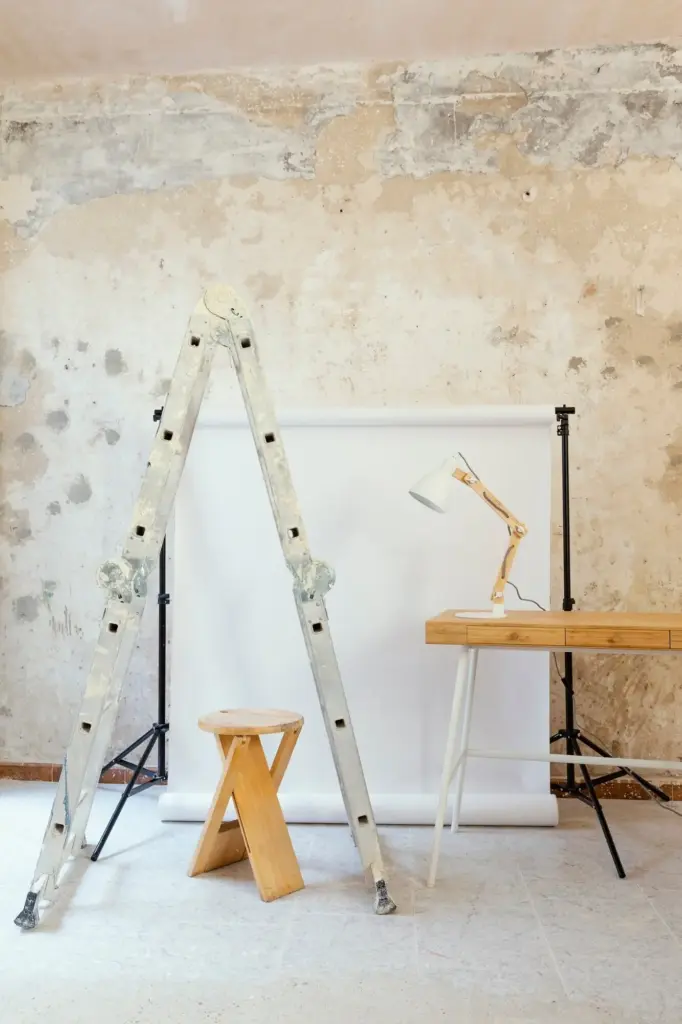
Hotel operators have long swapped carpet tiles discreetly overnight; upscale apartments can mirror that logic with wood, stone, and metal. Replace only the damaged portion, documented in a digital log, and match finishes precisely with retained attic stock, preserving uniformity while keeping materials in service and budgets in control.

Surface Performance Under Real Use

Real households entertain, spill, and rearrange. Performance matters. Specify abrasion ratings, slip resistance, and repair methods alongside color and grain. Select finishes that welcome refinishing without losing dimensional stability, and choose sealers that can be renewed in-situ, preventing full replacement while keeping the tactile experience delightful and resilient.

Valuation Uplift and Market Signaling

Market value is not only square footage; it is confidence in future cash flows and reduced risk. Apartments showcasing documented circular finishes signal lower long-term CapEx, healthier interiors, and responsible stewardship. Appraisers, lenders, and buyers read those signals, awarding faster absorption, modest rent premiums, and valuation resilience during soft cycles.

Numbers That Convince Without Compromise

Decision-makers want proof. Robust models compare circular versus conventional specifications across acquisition, upkeep, and exit. Incorporate discount rates reflecting risk, conservative salvage values, realistic labor, and downtime assumptions. Add carbon pricing scenarios where applicable, since embodied-carbon credits, grants, or tenant demand can influence cash flows and reduce effective payback periods.
Start with a direct comparison: a glued stone floor replaced twice in 20 years versus a mechanically fixed stone floor restored and resold once. Include procurement, installation, refinishing, vacancy, and salvage proceeds. Transparent inputs build trust, enabling boards and lenders to see the operational logic behind the recommendation.
Vary utilization intensity, warranty length, salvage discounts, and labor rates. Sensitivities reveal which parameter truly moves net present value, protecting the decision from wishful thinking. Often, downtime dominates. When circular strategies shorten closures by weeks, the avoided rent loss alone can justify the initial investment before material credits arrive.
Not everything fits a spreadsheet. Brand lift, tenant loyalty, and marketing differentiation have real financial echoes. Track leading indicators—tour-to-lease conversion, social proof, review sentiment—alongside hard costs. Over time, triangulated evidence transforms perceived intangibles into measurable advantages that stabilize revenue and compound the asset’s reputation for thoughtful stewardship.

Design Choices that Protect Future Value

Design details protect tomorrow’s flexibility. Favor reversible connections, standardized module sizes, and accessible fasteners hidden behind refined trims. Choose colorways and grains that welcome future additions without telegraphing mismatches. Document everything, store attic stock intelligently, and leave discreet service zones so replacements happen quietly, precisely, and without damage to neighboring elements.

Timeless Aesthetics Aligned with Materials

Styles fade; proportion endures. Pair noble materials with restrained profiles that complement changing furnishings. Select finishes whose patina improves with care, not ones that demand frequent replacement to stay fashionable. Subtlety protects value, letting apartments mature gracefully while accommodating new owners’ preferences without expensive or wasteful overhauls.

Modularity as an Asset Strategy

Standardized plank widths, tile formats, and hardware interfaces allow components to interchange across rooms and even sister properties. Modularity creates liquidity: inventory stored onsite or centrally can satisfy repairs instantly, avoiding emergency orders, freight premiums, and mismatched lots that undermine both aesthetic continuity and financial performance.

Documentation and Digital Twins

Digital twins and simple QR-linked passports record batch data, maintenance history, and removal instructions. With reliable documentation, crews work faster and gentler, reducing errors during refurbishments. Buyers in secondary markets trust documented quality, so reclaimed components trade quickly, reinforcing both exit values and your reputation for disciplined asset management.

Procurement, Contracts, and Circular Supply Chains

Contracts make circularity real. Write specifications that define reversible fixing, minimum reuse cycles, and performance thresholds. Require chain-of-custody, environmental product declarations, and take-back commitments with clear pricing. Align service-level agreements to renovation windows, and set reporting expectations so outcomes can be audited, shared, and continuously improved.

Engage, Learn, and Share Results

Your insights can advance this conversation. Share experiences with circular finishes, ask hard questions about modeling assumptions, and tell us what your residents value most. Subscribe for case studies, tools, and interviews with practitioners. Together we can build apartments that feel exquisite, cost less to operate, and hold value longer.
Faramilukavimexepuxu
Privacy Overview

This website uses cookies so that we can provide you with the best user experience possible. Cookie information is stored in your browser and performs functions such as recognising you when you return to our website and helping our team to understand which sections of the website you find most interesting and useful.